The shipping industry faces a persistent challenge with containers lost at sea. These incidents pose risks to navigation, the environment, and cargo traceability. To address these issues, the International Maritime Organization (IMO) has introduced new mandatory regulations that require ship masters to report lost or drifting containers without delay. These rules come into effect on January 1, 2026, marking a significant step toward improving maritime safety and environmental protection.
This article explains the key aspects of the new IMO regulations, their impact on shipping operations, and what ship operators need to do to comply.
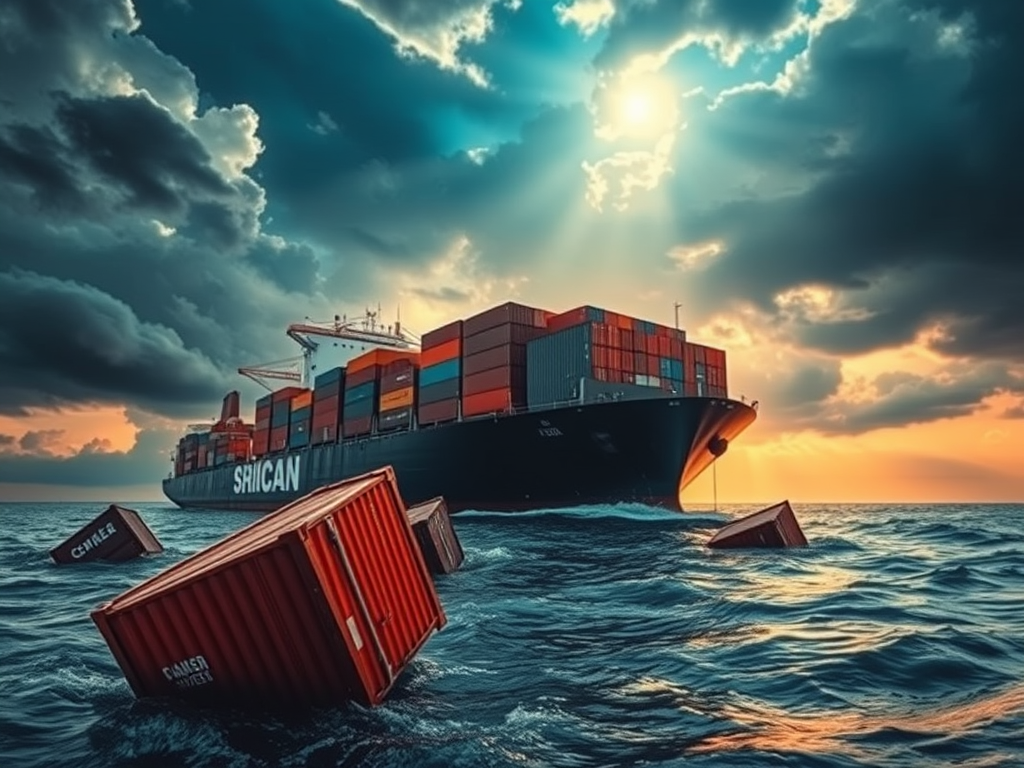
Cargo ship with stacked containers at sea, illustrating container loss reporting requirements
Background on Container Loss at Sea
Containers lost at sea are a serious problem. Rough weather, improper stacking, and accidents can cause containers to fall overboard. These containers can drift for long distances, creating hazards for other vessels and polluting marine environments. Lost containers may also contain hazardous materials, increasing the risk of environmental damage.
Until now, reporting of lost containers has been inconsistent, with no standardized international procedure. This has made it difficult to track lost cargo, warn nearby ships, and alert coastal authorities promptly.
The IMO’s new regulations aim to close this gap by making reporting mandatory and standardized worldwide.
Overview of the New IMO Regulations
The new rules amend two key international conventions:
- SOLAS Chapter V (Safety of Navigation), Regulations 31 and 32
- Article V of MARPOL Protocol I
These amendments require ship masters to report all lost or drifting containers immediately to relevant parties, including nearby ships, coastal states, and the ship’s flag state. The flag state then reports the incident to the IMO through the Global Integrated Shipping Information System (GISIS).
Key Points of SOLAS Regulation V/31 – Danger Messages
- The ship master must report container loss incidents without delay.
- Reports must be sent to ships in the vicinity, the nearest coastal state, and the flag state.
- If the ship is abandoned or unable to report, the shipping company assumes the reporting duty.
- Masters observing drifting containers must also report these sightings promptly.
Details of SOLAS Regulation V/32 – Information Required in Danger Messages
Reports must include:
- Type of report: Loss of freight container(s) from a ship
- Ship’s identity: IMO number, name, call sign, and MMSI
- Time of the incident or observation
This standardized information ensures clarity and consistency in reporting.
Why These Regulations Matter
Improving Navigational Safety
Lost containers floating at sea are difficult to detect and can cause serious accidents. By requiring immediate reporting, the regulations help alert nearby vessels to potential hazards. This reduces the risk of collisions and damage to ships.
Strengthening Environmental Protection
Containers lost at sea can release harmful substances into the ocean, especially if they carry hazardous cargo. Timely reporting allows coastal states to respond quickly and mitigate environmental damage.
Enhancing Cargo Traceability
Standardized reporting through the IMO GISIS platform creates a centralized database of lost containers. This helps shipping companies and authorities track incidents, analyze causes, and improve container handling practices.
What Ship Operators Need to Do
To comply with the new regulations, ship operators should:
- Train masters and crew on the new reporting requirements and procedures.
- Establish clear communication protocols for reporting container losses and sightings.
- Ensure access to communication tools that allow immediate reporting to nearby ships, coastal states, and flag states.
- Coordinate with flag states to confirm reporting channels to the IMO GISIS platform.
- Maintain accurate records of container losses and reports submitted.
Practical Example of Reporting Process
Imagine a container ship encounters heavy seas, and several containers are lost overboard. The master immediately:
- Sends a danger message to nearby vessels warning them of drifting containers.
- Notifies the nearest coastal state and the ship’s flag state with details of the incident.
- The flag state then reports the incident to the IMO GISIS platform.
- Other ships in the area remain alert and take precautions to avoid the drifting containers.
- Coastal authorities prepare for potential environmental response if hazardous cargo is involved.
This process ensures rapid communication and coordinated response.
Challenges and Considerations
While the regulations provide clear guidelines, ship operators may face challenges such as:
- Communication delays in remote areas without reliable coverage.
- Identifying drifting containers accurately, especially in rough seas.
- Coordinating between multiple jurisdictions when containers drift across different coastal states.
Addressing these challenges requires investment in communication technology and training.
The Role of Technology in Compliance
Modern technology can support compliance by:
- Using automatic identification systems (AIS) to track ship positions and report incidents.
- Employing satellite communication for reliable reporting in remote ocean areas.
- Integrating GISIS reporting tools into shipboard systems for streamlined data submission.
Technology helps ensure reports are timely, accurate, and complete.
Impact on the Shipping Industry
The new IMO regulations will:
- Increase transparency and accountability for container losses.
- Encourage safer container handling and stowage practices.
- Promote cooperation between ships, coastal states, and international bodies.
- Potentially reduce environmental damage and navigation hazards.
Shipping companies that adopt best practices early will benefit from smoother compliance and improved reputation.
The new IMO regulations on mandatory reporting for lost containers at sea represent a vital step toward safer and cleaner oceans. Ship masters and operators must prepare now to meet these requirements by updating procedures, training crews, and leveraging technology. Timely and standardized reporting will protect lives, the environment, and valuable cargo.
Leave a Reply